Truck Traffic Restrictions in Latvia 2026.
Regulations, calendar, guide.

When planning transportation through Latvia in 2026, it’s worth noting that truck traffic bans in Latvia aren’t as “strict” as in many EU countries. Instead of a permanent, nationwide ban every Sunday, truck traffic bans in Latvia are more often local in nature (e.g., in urban areas), so before setting out, you should check the current truck traffic bans in Latvia along your planned route and prepare a plan for a stop or a detour.

Local restrictions are the most important factor, not the “calendar-based” truck traffic bans in Latvia. For example, in Riga, restrictions may apply to trucks weighing more than 5 metric tons during rush hour on certain streets. In this guide, we’ve compiled the most important information about where truck traffic bans are most commonly enforced in Latvia in 2026, who is affected by truck traffic bans in Latvia (including bans on heavy trucks), and what truck traffic restrictions in Latvia look like in practice when weight limit signs, axle load limits, or city entry restrictions appear along the route.

Get a Quote for Your Shipping Cooperation with carriers
Truck Traffic Restrictions in Latvia

Truck Traffic Restrictions in Latvia 2026

Latvia stands out for its exceptionally liberal approach to truck transportation regulations in Europe. Unlike most European countries, truck traffic bans in Latvia do not apply on Sundays or public holidays. International transport can take place around the clock, every day of the week, without any time restrictions related to weekends or public holidays. This makes Latvia one of the most carrier-friendly countries in the Central and Eastern European region.

Legal Basis and the Absence of General Traffic Restrictions

Latvian traffic regulations are governed by the Road Traffic Act and the regulations of the Road Traffic Safety Directorate. Unlike most European countries, Latvian law does not impose nationwide bans on heavy-duty vehicle traffic on specific days of the week or public holidays. This unique feature of the Latvian legal system stems from a well-thought-out transportation policy aimed at supporting international transit and the country’s economic development.

The Latvian authorities view road transport as a key element of international connectivity and trade development. Instead of imposing restrictive time-based bans, Latvia has focused on expanding its road infrastructure and implementing an electronic vignette system to finance road maintenance and modernization. This approach means that truck traffic bans in Latvia are practically nonexistent compared to countries such as Germany, Austria, France or Italy, where weekend and holiday restrictions are the norm.

Local restrictions in Riga

The only temporary restrictions on heavy truck traffic in Latvia apply to selected bridges and roads in the country’s capital. Riga is located on the Daugava River, and its bridge infrastructure is not designed to handle heavy traffic during rush hour. To ensure smooth traffic flow for residents and reduce the load on bridge structures, city authorities have imposed restrictions on vehicles weighing more than 5 metric tons.

Bridges subject to the ban during rush hour

The main bridges in Riga where restrictions apply to trucks weighing more than 5 metric tons are the Daugavgrīva Bridge and the Slavic Bridge, also known as the Slavu Bridge. The ban is in effect on weekdays from Monday through Friday during two time periods: in the morning from 7:00 a.m. to 10:00 a.m. and in the afternoon from 4:00 p.m. to 7:00 p.m. On weekends and holidays, there are no restrictions on these bridges.

The Daugavgrīva Bridge connects downtown Riga with the neighborhoods north of the river and serves as an important crossing for local traffic. The Slavic Bridge is located closer to the city center and also primarily serves urban traffic. Both bridges are heavily used by commuters during rush hour, so the restriction on trucks is intended to reduce traffic congestion and improve safety.

Access roads to bridges

The restrictions apply not only on the bridges themselves, but also on all access roads leading to them. The list of roads subject to the ban includes Daugavgrīvas Street, Vienības Avenue, Akmeņu Street, Valguma Street, Uzvaras Boulevard, Mūkusalas Street, Krasta Street, 11th November Street, and Eksporta Street. Truck drivers must avoid these routes during rush hour on weekdays and use detours.

LOCATIONTYPE OF RESTRICTIONDAYS AND HOURS
Daugavgrīva Bridge + Access RoadsNo vehicles allowed: >5tMon–Fri 7:00 a.m.–10:00 a.m. and 4:00 p.m.–7:00 p.m.
Slavu Bridge + Access RoadsNo vehicles allowed >, 5tMon–Fri 7:00 a.m.–10:00 a.m. and 4:00 p.m.–7:00 p.m.
Streets: Daugavgrīvas, Vienības Avenue, Akmeņu, Valguma, Uzvaras Blvd, Mūkusalas, Krasta, 11 November, EksportaNo vehicles allowed >, 5tMon–Fri 7:00 a.m.–10:00 a.m. and 4:00 p.m.–7:00 p.m.

Detour Routes in Riga

Alternative routes are available for truck drivers planning to travel through Riga during rush hour. It is recommended to use the Slavu Bypass or Krustpils Street as a detour around the Slavic Bridge. Truck traffic is permitted on the Slavu bypass 24 hours a day without any time restrictions, making it the optimal route for international transport bypassing the capital’s city center.

It’s a good idea to plan your trip through Riga during off-peak hours or on weekends, when all roads and bridges are fully open to trucks. Transit traffic using the A1 Via Baltica highway can bypass the city center via the bypass roads and does not need to approach the bridges subject to restrictions at all.

No restrictions on Sundays and holidays

Latvia is the only country in Central and Eastern Europe that does not impose general bans on truck traffic on Sundays and public holidays. While in most European countries truck traffic bans cover all 52 Sundays of the year and all public holidays, in Latvia international transport can operate without any restrictions seven days a week.

This unique feature of the Latvian legal system is a huge advantage for international carriers. In countries such as Germany, Austria, France, Italy, and Hungary, Sunday driving bans typically last from midnight or from morning until 10:00 p.m. In some countries, Saturday driving bans are also in effect during the summer season. Latvia imposes no such restrictions, which allows for the full utilization of drivers’ working hours and maximizes transport efficiency.

Holidays in Latvia in 2026

Latvia will observe 13 public holidays in 2026. Unlike most European countries, where public holidays are automatically subject to truck traffic bans, none of these days in Latvia are associated with transportation restrictions. Truck traffic bans in Latvia do not apply to public holidays, giving carriers complete freedom to plan their routes regardless of the public holiday calendar.

DATE 2026DAY OF THE WEEKNATIONAL HOLIDAYTRUCK TRAFFIC STATUS
January 1ThursdayJaunais Gads (New Year)NO RESTRICTIONS – transport permitted 24 hours a day
April 3FridayLielā Piektdiena (Good Friday)NO RESTRICTIONS – transport permitted 24 hours a day
April 5SundayLieldienas (Easter)NO RESTRICTIONS—transportation permitted 24 hours a day
April 6MondayEaster MondayNO RESTRICTIONS – transportation permitted 24 hours a day
May 1FridayLabor Day (Labor Day / Constitutional Assembly Day)NO RESTRICTIONS – transportation permitted 24 hours a day
May 4MondayIndependence Restoration Day (1990)NO RESTRICTIONS – transportation permitted 24 hours a day
June 23TuesdayLīgo svētki (St. John’s Eve—the start of the most important holiday)NO RESTRICTIONS—transportation permitted 24 hours a day
June 24WednesdayJāņi (St. John’s Day—Latvia’s most important holiday, the summer solstice)NO RESTRICTIONS—transportation permitted 24 hours a day
November 18WednesdayProclamation Day (Independence Proclamation Day, 1918)NO RESTRICTIONS – transportation permitted 24 hours a day
December 24ThursdayZiemassvētku vakars (Christmas Eve)NO RESTRICTIONS – transportation permitted 24 hours a day
December 25FridayChristmas, Day 1 (Christmas Day)NO RESTRICTIONS – transportation permitted 24 hours a day
December 26SaturdayZiemassvētki, otrā diena (Boxing Day)NO RESTRICTIONS – transportation permitted 24 hours a day
December 31ThursdayVecgada vakars (New Year’s Eve)NO RESTRICTIONS – transportation allowed 24 hours a day

All 52 Sundays of 2026 are fully open to truck traffic without any time restrictions. Latvia does not enforce Sunday driving bans.

The most important Latvian holiday is Jāņi, celebrated on June 24, which is associated with the summer solstice and deeply rooted in Latvian pagan tradition. Despite the immense cultural significance of this holiday, the authorities do not impose any restrictions on truck traffic. Similarly, during Christmas, Easter, or New Year’s, international transport can proceed unimpeded.

Prohibitions under the regulation and restrictions indicated by signs

In Latvia, restrictions on trucks result not only from temporary bans and announcements by the road administration, but also from local traffic signs on specific road sections.

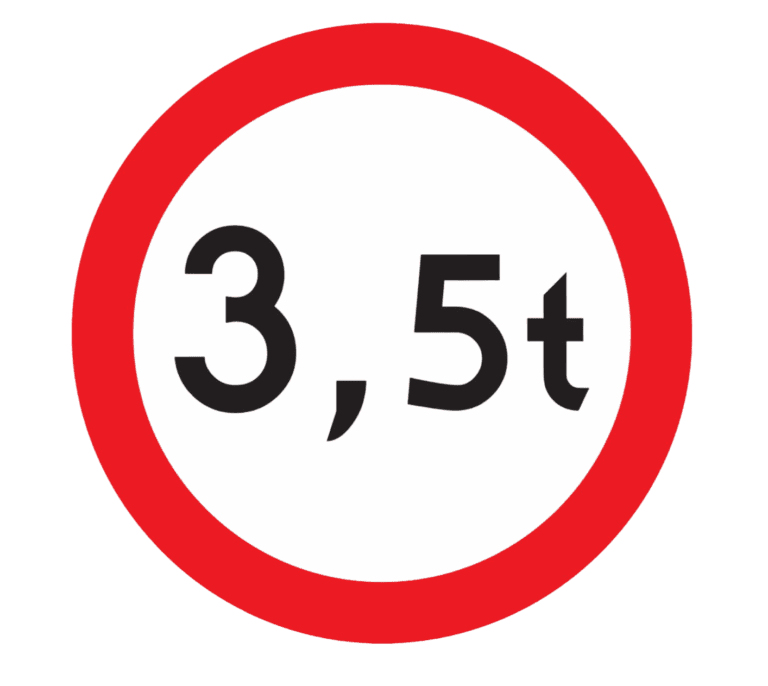
Weight limit

Vehicles with an actual gross weight exceeding the value indicated on the sign are prohibited from entering (the actual weight of the vehicle combination is taken into account, not just the gross vehicle weight rating listed on the registration certificate). This is one of the most common ways in which local truck traffic restrictions are enforced in Latvia.

B-18

Ass sweet

Vehicles with an axle load exceeding the value indicated on the sign are prohibited from entering (typically on bridges and sections with limited load-bearing capacity). Such restrictions can force a detour even when general travel through Latvia is not prohibited, and they function similarly to truck traffic bans in Latvia.

B-19

Kravas car

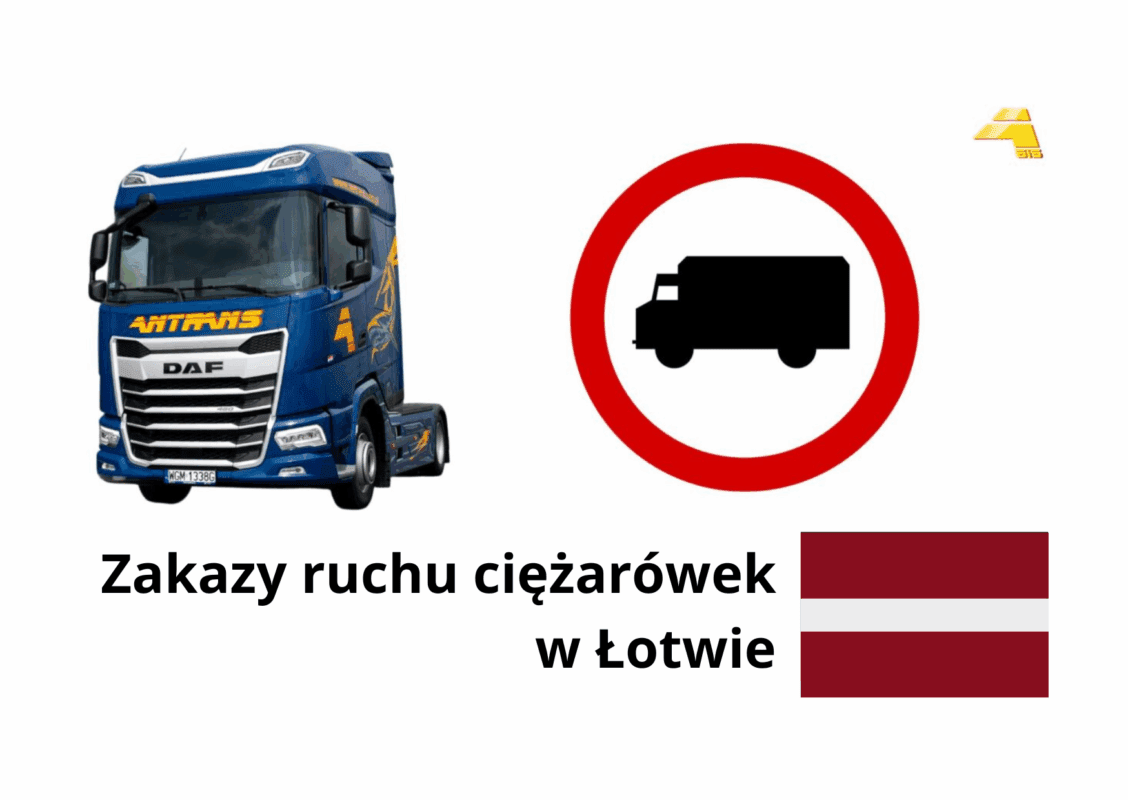
The ban on trucks / heavy vehicles is often specified by a sign indicating the weight limit (e.g., 3.5 t / 7.5 t) or the hours during which the ban is in effect. These are local truck traffic restrictions in Latvia that apply regardless of the calendar and may apply to specific streets, urban zones, or access roads.

Truck Traffic Ban

Via Baltica, the main transportation corridor through Latvia

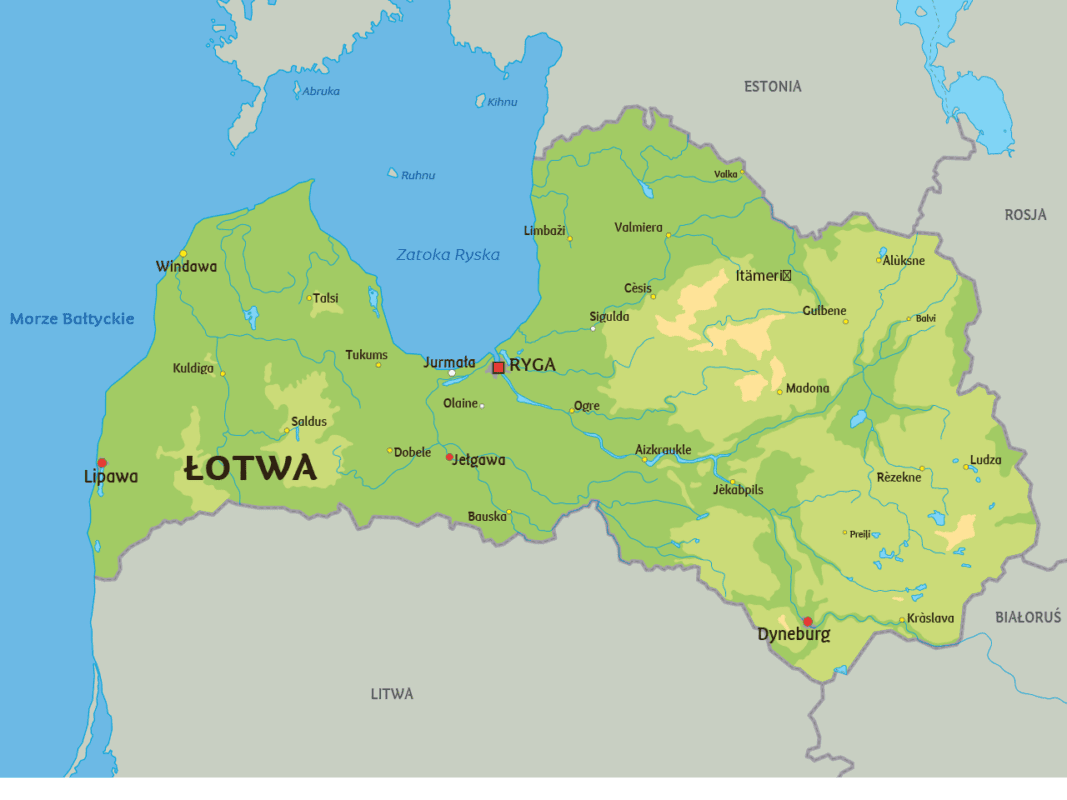
Via Baltica is a key European transport corridor connecting Poland with the Baltic states and Finland. The route runs through Warsaw, Kaunas, Riga, Tallinn, and ends in Helsinki. Within Latvia, Via Baltica consists primarily of the A1 highway and the A7 road, which together form a route approximately 300 kilometers long, running across the entire country from south to north.

The Via Baltica is part of the TEN-T core network, which ensures its strategic importance to the European Union and access to European funding for modernization. Approximately 30 percent of the traffic on this route consists of heavy-duty vehicles engaged in international transport. In 2024, several million trucks traveled through the Latvian section of the Via Baltica, making it one of the busiest transit routes in the region.

Sections A1 and A7

The A1 highway runs from the Estonian border through Riga to its junction with the A7 highway south of the capital. The length of the A1 section from the Estonian border to Riga is approximately 110 kilometers. The route is in excellent condition, with two lanes in each direction on most sections. Modernization of this section is underway, and Latvian authorities plan to further expand it to highway standards along its entire length by 2030.

The A7 highway connects Riga with the Lithuanian border via the towns of Bauska and Iecava. The length of the A7 section from Riga to the Lithuanian border is approximately 80 kilometers. In 2023, the new Ķekava bypass was opened as part of a PPP project, which significantly improved traffic flow in the area. The Bauska and Iecava bypasses are currently under construction and are scheduled for completion between 2028 and 2030.

Together, sections A1 and A7 form a continuous stretch of the Via Baltica route through Latvia. The absence of weekend and holiday driving bans makes this corridor exceptionally attractive to international carriers. While neighboring routes in Germany, Poland, and Lithuania have Sunday driving bans that halt traffic for hours, you can drive through Latvia without any obstacles throughout the entire weekend.

The Military and Strategic Importance of the Via Baltica

The Via Baltica is not only economically important, but also strategically and militarily significant. Given the current geopolitical situation in the region, fast and uninterrupted communication between the Baltic states and the rest of NATO is crucial for regional security. The Latvian section of the Via Baltica is undergoing continuous modernization to support military mobility and the ability to rapidly deploy troops and equipment.

During the official opening of the modernized section of the Via Baltica in 2025, the presidents of Poland and Lithuania emphasized that this route is not only a major artery for the movement of goods and people, but also a key element of military mobility. The absence of weekend restrictions on the Latvian section further enhances the operational flexibility of this corridor for both civilian and military purposes.

The Most Common Mistakes and Pitfalls During Traffic Stops in Latvia

1

No documents confirming the exemption

Without the necessary documents from the shipper, the shipment usually won’t be accepted. Keep the CMR, the order/notification, and the delivery note/specification handy so you can immediately show the purpose of the shipment.

2

Inaccurate description of the cargo in the CMR

General descriptions make it difficult to assess whether the shipment actually meets the conditions for the exception.
The CMR should include the name of the goods, the quantity, and the weight; a specification or packing list is also helpful.

3

Temperature-controlled transport with no data

For sensitive cargo, transport conditions—especially temperature—are critical. It’s a good idea to have a specification sheet with temperature requirements and a printout or log from the temperature recorder, if one is used.

4

ADR without a complete set of documents

For ADR shipments, exemptions may depend on the completeness of the documentation and the compliance of the labeling.
As a general rule, an ADR waybill, written ADR instructions, and a valid ADR driver’s license are required.

5

Driving through a restricted section without meeting the “minimum travel distance” requirement

In Latvia, it is often a specific section of road that matters, rather than the entire region. If you enter a section subject to restrictions, you must demonstrate that it is the shortest necessary route to the loading/unloading location.

6

An “empty” trip without an operational justification

An empty vehicle should also have a documented purpose for the trip.
After unloading, it is helpful to have a signed unloading confirmation or CMR, and when picking up a load, a waybill or delivery notice.

Truck Traffic Restrictions in Latvia
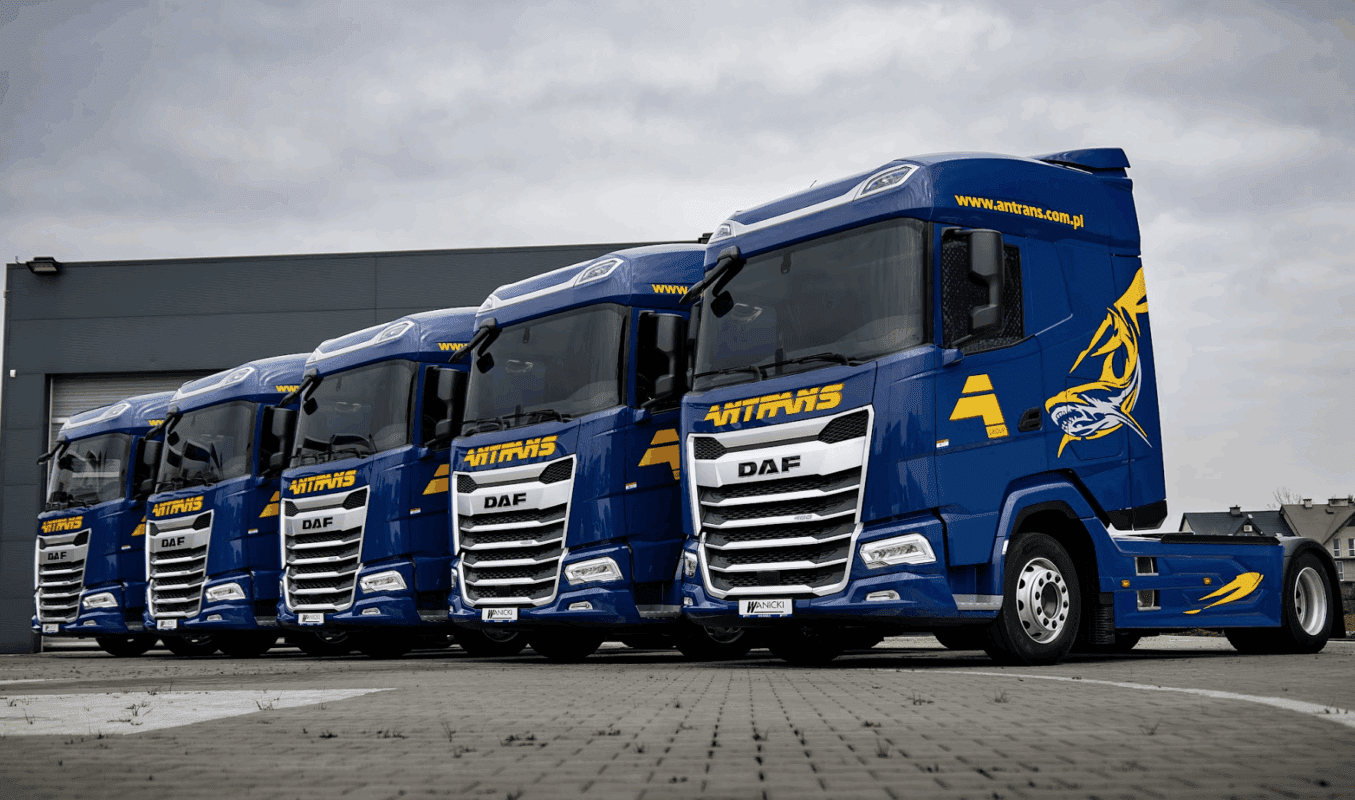
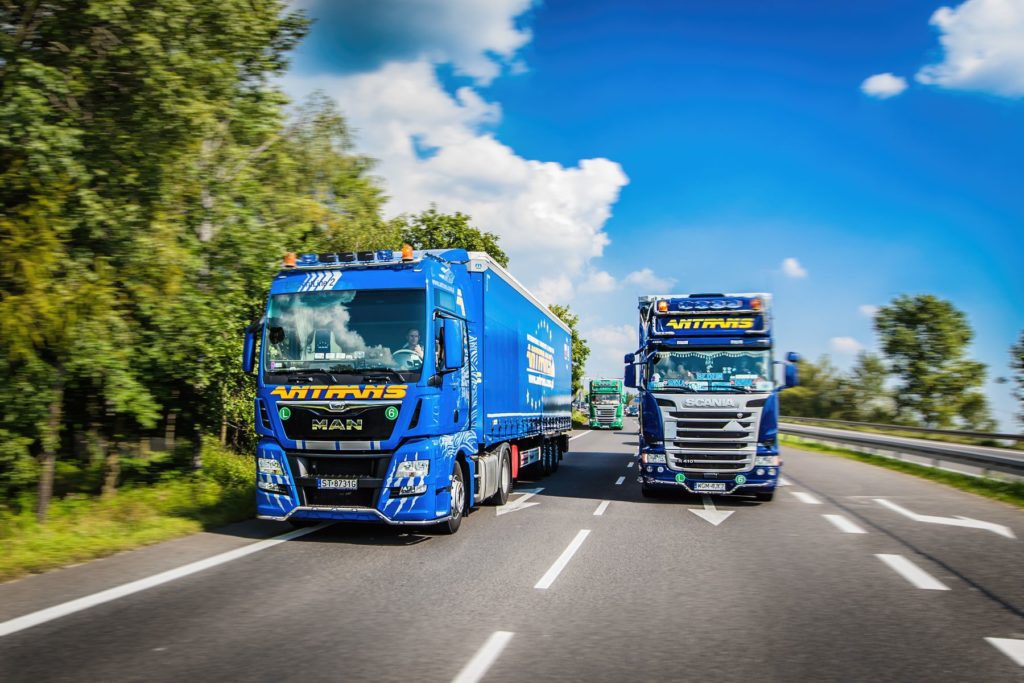
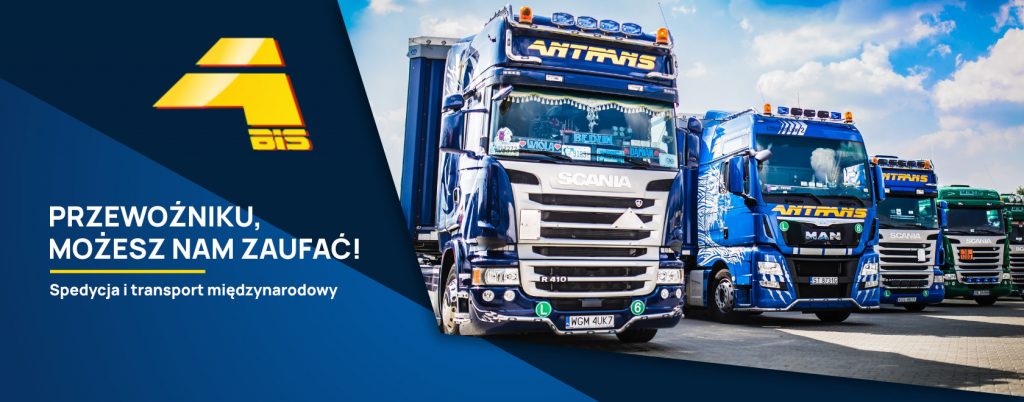
Antrans BiS Logistics and Freight Forwarding Fleet

Electronic vignette system for heavy-duty vehicles

Latvia uses an electronic vignette system for heavy-duty vehicles as a means of financing the maintenance and development of road infrastructure. A vignette is mandatory for all freight vehicles with a gross vehicle weight exceeding 3,000 kilograms and for vehicle combinations weighing more than 3,500 kilograms. Passenger cars and light commercial vehicles below these thresholds may use all Latvian roads completely free of charge.

Rules for Purchasing and Validity of the Vignette

The electronic vignette for Latvia is available in four time options. A one-day vignette is valid for 24 hours from the time specified by the payer and costs between a dozen or so and several dozen euros, depending on the vehicle category. The weekly vignette is valid for 7 consecutive days starting from the date specified by the payer. The monthly vignette is valid for 30 consecutive days. The annual vignette covers a full calendar year and is the most affordable option for carriers who regularly use Latvian roads.

Vignettes can be purchased exclusively online through the official lvvignette.eu website, at the ticket offices of the Road Traffic Safety Directorate, or at select gas stations. When purchasing a vignette at a gas station or at an RTSD ticket office, an additional handling fee of 1.20 EUR is charged. Paying electronically through the website is the cheapest and most convenient option, as you can do so from anywhere before entering the country.

Antrans BiS – Logistics and Freight Forwarding

220 cars

Own and partner fleets available throughout Europe. Euro 6 vehicles, COIL MULDA/STANDARD/MEGA trailers, GPS monitoring and forwarders available 24/7 – we will always find a place for your transport.

32 years

32 years of experience in transport Poland-Europe. One of the oldest TSL companies in the region – we serve hundreds of companies in automotive, furniture, electronics and FMCG.

260,000 km

We handle more than 21,000 orders annually on European routes. Every day, an average of 58 Antrans Bis trucks serve customers in 7 EU countries, covering a total of 2.6 million kilometers per year.

260,000 km

We handle more than 21,000 orders annually on European routes. Every day, an average of 58 Antrans Bis trucks serve customers in 7 EU countries, covering a total of 2.6 million kilometers per year.

Vehicle Categories and Vignette Rates

The cost of a vignette depends on several factors. The vehicle’s gross weight determines the base category, with the lowest category applying to vehicles weighing between 3,001 and 3,500 kilograms. The number of axles affects the fee, as more axles mean greater stress on the road surface. The emissions class has a significant impact on the rate; vehicles that meet Euro 5 or Euro 6 standards pay lower rates than older trucks with Euro 0, I, or II engines.

Effective January 1, 2026, Latvia has raised vignette rates for most vehicle categories. The Latvian Parliament approved the increases in December 2025. For vehicles weighing between 3,501 and 12 metric tons with Euro 0, I, or II engines, the daily rate has increased from 15 to approximately 18 EUR, the weekly rate from 37 to approximately 44 EUR, the monthly rate from 74 to approximately 89 EUR, and the annual rate from 760 to approximately 910 EUR.

Revenue from the vignette system is allocated to the maintenance and development of Latvia’s network of main and regional roads. By purchasing a vignette, carriers contribute to improving road quality, which enhances safety and driving comfort throughout Latvia.

Sources and useful links:

EU Urban Access Regulations – Latvia
Local weight restrictions in Latvian cities
https://urbanaccessregulations.eu/countries-mainmenu-147/latvia

Trans.info Magazine – Baltic States
Current information on transportation regulations in Latvia in Polish
https://trans.info/pl/

IRU (International Road Transport Union)
International transport organization with information on transport through Latvia
https://www.iru.org/

Truck Traffic Restrictions in Latvia in 2026
Truck Traffic Restrictions in Latvia

Inspections and Fines for Not Having a Vignette

The vignette fee is recorded electronically in the Latvian State Register of Vehicles and Drivers and serves as the sole control mechanism. Latvian traffic authorities conduct random checks, use automated monitoring systems, and deploy mobile inspection patrols. The license plate recognition system automatically verifies whether a vehicle has a valid, paid vignette.

The penalties for failing to pay the vignette are significant. If the vignette has not been paid at all, the driver faces a fine of 180 to 360 EUR, and the carrier faces a fine of 500 to 1,000 EUR. If the vignette was purchased for an insufficient amount or in the wrong category, the driver pays a fine ranging from 60 to 120 EUR, and the carrier pays a fine ranging from 300 to 500 EUR. A fine does not exempt the driver or carrier from the obligation to pay for the vignette; therefore, in addition to the fine, the missing vignette must also be purchased.

Restrictions on Truck Traffic in Latvia
read more

Planning Transportation Through Latvia

The absence of weekend and holiday restrictions makes planning transportation through Latvia extremely simple and flexible. Carriers do not need to take the holiday calendar into account or check restriction times before each trip. Transportation can take place seven days a week, around the clock, which maximizes drivers’ working time and operational efficiency.

Optimization of International Routes

Latvia serves as an ideal transit corridor for transport from Poland to Estonia or Finland. While Poland has weekend driving bans during the summer and Lithuania has year-round Sunday driving bans, Latvia offers uninterrupted transit without any time restrictions. A driver can leave Poland on Saturday morning, drive through Lithuania before the Sunday ban takes effect at midnight, and continue driving through Latvia and Estonia on Sunday without any obstacles.

The return trip from Estonia to Poland also benefits from Latvia’s openness. A driver can set out from Tallinn on Sunday morning, drive through Latvia without restrictions, and reach the Lithuanian border before 10:00 p.m., when the Sunday driving ban in Lithuania ends. Alternatively, the driver can wait in Latvia until 10:00 p.m. on Sunday and enter Lithuania after the ban ends.

Transportation During Long Holiday Weekends

Long holiday weekends, which in other countries result in traffic coming to a standstill for several days, are no problem at all in Latvia. While in Germany, Austria, France, or Poland, holidays bring traffic to a standstill for many hours, you can drive through Latvia without any problems. This is especially important during Easter, May Day, and Christmas, when extended traffic restrictions are in effect throughout Europe.

For example, during the Easter holidays in 2026, Good Friday on April 3, Easter Sunday on April 5, and Easter Monday on April 6 are subject to restrictions in most European countries. In Latvia, however, transport can operate on all of these days without any restrictions, which gives carriers a huge operational advantage.

Sources and links to official regulations

Below you will find links to official Latvian sources that provide detailed information on truck transport regulations, the electronic vignette system, and the latest information on road infrastructure.

Road Traffic Safety Directorate (RTSD)
Vignette system operator and traffic regulations
https://www.csdd.lv/en

SMS Vignettes – Vignette purchase portal for the Baltic countries
Purchase vignettes for Latvia, Estonia, and Lithuania via SMS or online
https://smsvinjetes.lv/en

TruckBAN – Latvia
Detailed information on truck traffic restrictions in Latvia
https://truckban.eu/Latvia

Transportation and Logistics

Cooperation with carriers

Antrans Bis from Olkusz invites carriers for long-term cooperation on international routes. For 32 years, we have specialized in full truckload shipments Poland-Italy and on European and domestic routes.

  • Fixed routes and regular orders on Poland-Italy and European lines
  • Timely payments, short settlement periods without delays
  • High monthly mileage, high earnings for experienced drivers
  • 24/7 support, availability of forwarders around the clock

We are currently looking for partners throughout Poland who have tractor-trailer combinations with curtain-sided semi-trailers.

Start cooperation

FAQ: Truck Traffic Restrictions in Latvia in 2026 – Questions and Answers

Are there any bans on truck traffic on Sundays in Latvia?

No, there are no general bans on truck traffic on Sundays in Latvia. Unlike most European countries, where Sundays are subject to restrictions from midnight or early morning until 10:00 p.m., international transport in Latvia can operate throughout the entire Sunday without any time restrictions. This is a unique feature of the Latvian legal system, making Latvia one of the most carrier-friendly countries in Europe. All 52 Sundays of 2026 are fully accessible to trucks weighing over 3 metric tons without any restrictions.

No, there are no truck traffic bans on any of Latvia’s public holidays. Latvia celebrates 13 public holidays in 2026, including New Year’s Day, Easter, Jāņi, Independence Day, and Christmas. On each of these days, international transport can operate without any restrictions 24 hours a day. This is a fundamental difference compared to most European countries, where holidays automatically result in traffic bans lasting from a few to over a dozen hours. In Latvia, trucks may continue to operate on January 1, June 24 (during Jāņi, Latvia’s most important holiday), December 25 (Christmas), and December 31 (New Year’s Eve).

The only truck traffic restrictions in Latvia apply to certain bridges and roads in central Riga. Vehicles weighing more than 5 metric tons are not permitted to use the Daugavgrīva Bridge and the Slavic Bridge, as well as the access roads to these bridges, on weekdays from Monday through Friday during rush hour from 7:00to 10:00 a.m. and 4:00 p.m. to 7:00 p.m. The list of roads subject to the ban includes Daugavgrīvas Street, Vienības Avenue, Akmeņu Street, Valguma Street, Uzvaras Boulevard, Mūkusalas Street, Krasta Street, 11 November Street, and Eksporta Street. Recommended detour routes are the Slavu bypass and Krustpils Street.

Yes, an electronic vignette is required for all trucks weighing more than 3,000 kg and vehicle combinations weighing more than 3,500 kg. The Latvian vignette is available in four options: a one-day vignette valid for 24 hours, a weekly vignette valid for 7 days, a monthly vignette valid for 30 days, and an annual vignette valid for the entire calendar year. The fee depends on the vehicle’s weight, the number of axles, and the EURO emissions class. Starting January 1, 2026, higher rates approved by the Latvian parliament in December 2025 will take effect. Vignettes can be purchased through the official lvvignette.eu portal, at the ticket offices of the Road Traffic Safety Directorate, or at select gas stations. When purchasing outside the online portal, an additional handling fee of 1.20 EUR is charged. The fee is electronically recorded in the state registry and automatically verified by the license plate recognition system. Fines for not having a vignette are high: from 180 to 360 EUR for the driver and from 500 to 1,000 EUR for the carrier. Passenger cars and light commercial vehicles below the weight limits may use Latvian roads completely free of charge.

Latvia considers international transport to be a key element of the country’s economic development and deliberately refrains from imposing restrictive temporary bans on truck traffic. The Latvian authorities have taken a different approach than most European countries, focusing on expanding road infrastructure and an electronic vignette system that funds road maintenance, rather than restricting truck traffic on certain days. Latvia lies along the strategic Via Baltica transport corridor connecting Poland with Estonia and Finland, and transit trucks account for about 30 percent of the traffic on this route. This strategy benefits both carriers, who gain flexibility in route planning, and the Latvian economy, which benefits from the heavy transit of goods through the country.

Yes, the Via Baltica through Latvia requires an electronic vignette for trucks weighing more than 3,000 kg, but there are no toll gates or tolls. The Latvian system is based on an electronic time-based vignette, rather than distance-based tolls as in Germany or Slovakia. This means that once you purchase a vignette for a specific period, you can drive without restrictions on all major and regional roads in Latvia covered by the system. The A1 highway and the A7 road, which form the Latvian section of the Via Baltica, are covered by the vignette system, so trucks must have a valid vignette before entering these routes. The cost of the vignette depends on the vehicle category, but for a standard two-axle truck meeting Euro 4 standards or higher, a one-day vignette costs approximately 15–25 EUR, a weekly vignette approximately 40–55 EUR, a monthly vignette approximately 85–110 EUR, and an annual vignette costs approximately 900–1,100 EUR following the price increases in January 2026.

Transit traffic using the A1 Via Baltica highway can bypass the center of Riga by taking the bypass roads and does not need to approach the bridges subject to restrictions. The main Via Baltica route runs along bypasses around the city center, so most trucks engaged in international transit do not encounter any restrictions on bridges at all. For drivers who need to enter the center of Riga or cross the Daugava River, it is recommended to use the Slavu bypass or Krustpils Street as alternative routes to the bridges subject to the ban. The Slavu bypass is open to heavy traffic 24 hours a day with no time restrictions. The best option is to schedule deliveries to Riga outside of rush hour, that is, before 7:00 a.m., between 10:00 a.m. and 4:00 p.m., or after 7:00 p.m. on weekdays.

The most reliable approach is to check the route using a truck navigation system and information from the road authority, and then compare that with the on-site signage. In practice, truck traffic restrictions in Latvia are indicated by signs showing weight limits, axle load limits, and truck entry bans. If the route passes through a city or over bridges, there is a higher risk of truck traffic restrictions, so it’s best to have an alternative detour planned.

Violating truck traffic restrictions in Latvia may result in a fine and, in extreme cases, an order to remain parked until the violation is rectified (e.g., by changing the route). The greatest risk arises when truck traffic bans are based on weight limits or axle load restrictions; in such cases, authorities may treat the trip as a deliberate violation of infrastructure restrictions. To avoid problems, it’s a good idea to have your shipping documents on hand and stick to a route that complies with the restrictions, as truck traffic bans in Latvia are enforced primarily at the local level.

carrier-zone

Opinie klientów przepisy