Legal Basis and Purpose of the Restrictions
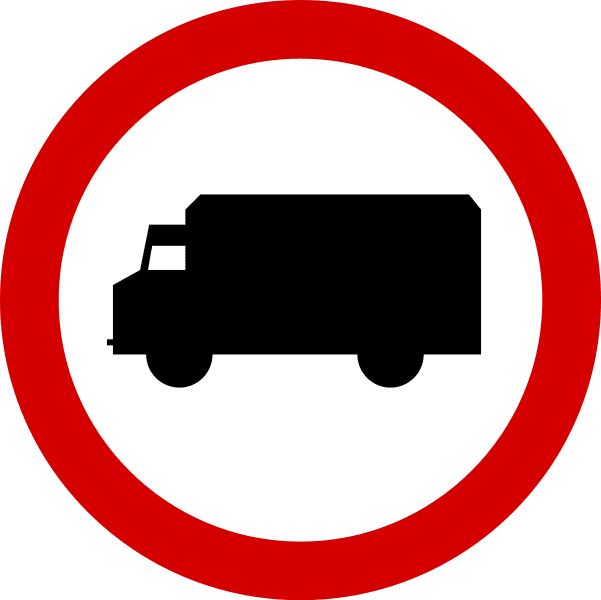
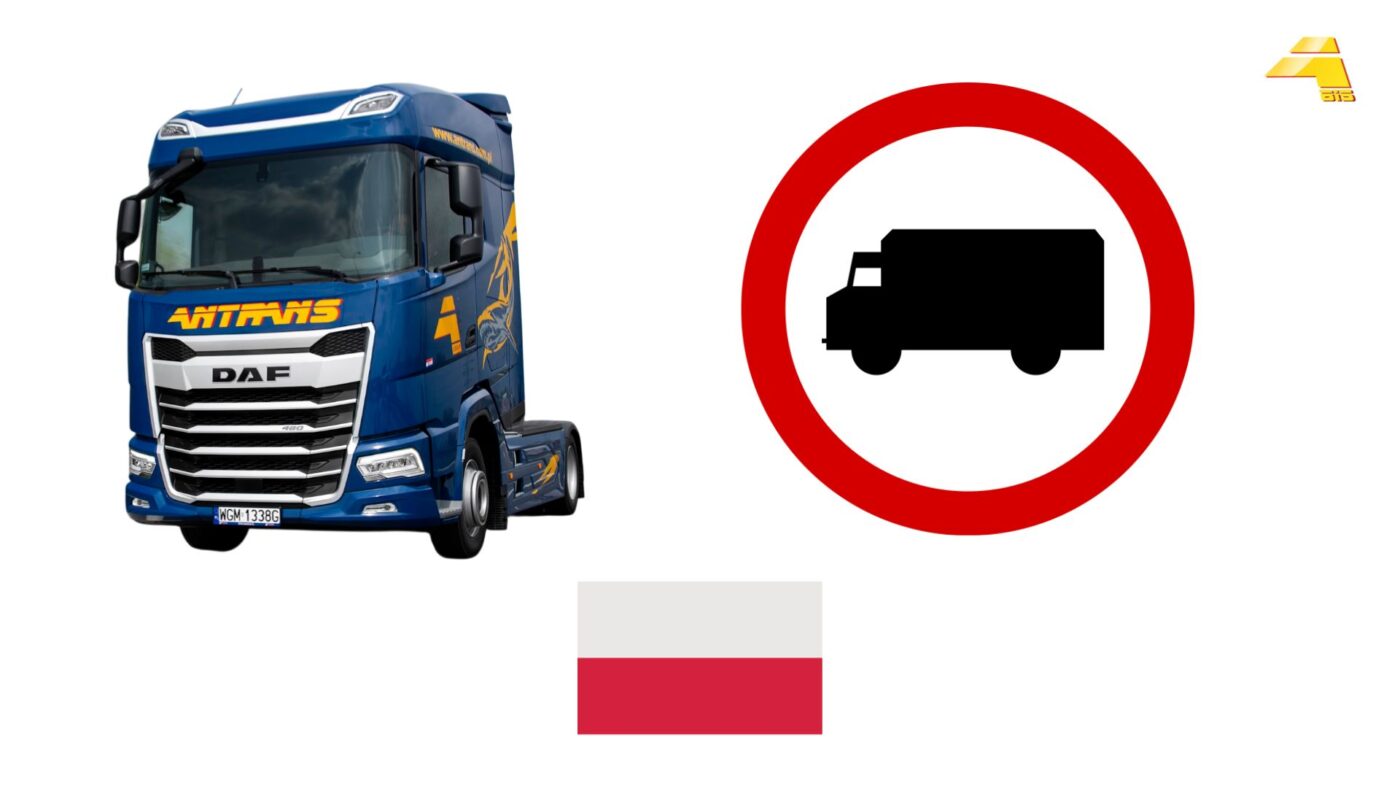
Restrictions on truck traffic in Poland are governed by the Regulation of the Minister of Transport dated July 31, 2007, on periodic restrictions and bans on the movement of certain types of vehicles on roads, as amended. This document precisely specifies the days and hours during which vehicles with a gross vehicle weight rating exceeding 12 metric tons are prohibited from traveling on public roads. The regulation also establishes a list of exceptions, including emergency vehicles, the transport of perishable goods, and other categories of priority transport.
The primary goal of implementing temporary truck traffic bans is to relieve pressure on the road infrastructure during periods of heavy passenger vehicle traffic. On holidays and summer vacation weekends, Polish roads—especially the A1, A2, and A4 highways—experience a significant increase in traffic volume due to vacation trips, visits to family, and tourist travel. The presence of heavy transport vehicles under such conditions would lead to long traffic jams, longer travel times, and an increased risk of traffic accidents.
Another important aspect is improving the capacity of national roads and highways. Due to their design and speed limits, trucks naturally slow down traffic, especially on single-lane sections and in areas where roadwork is underway. Removing them from traffic during peak vacation periods allows for a smoother flow of passenger cars, shorter travel times, and a more comfortable driving experience. For carriers, this means they must carefully plan their deliveries around the schedule of truck bans, but it also protects them from getting stuck in traffic jams lasting many hours, which would result in additional fuel costs and delays in their schedules.
It is also worth noting that Poland’s system of restrictions on heavy trucks is relatively liberal compared to the regulations in force in other European countries. The 12-metric-ton GVW threshold and the absence of a year-round nighttime driving ban mean that the TSL industry in Poland has greater operational flexibility than, for example, in Austria or Germany. Nevertheless, compliance with the regulations remains mandatory, and financial penalties and vehicle impoundment effectively compel carriers to adhere to the applicable restrictions.
Who is affected by the truck traffic bans in Poland?
The traffic ban in Poland applies to vehicles and vehicle combinations with a gross vehicle weight rating (GVWR) exceeding 12 metric tons. This is the highest threshold in Europe. In Germany, Austria, and Italy, the ban starts at 7.5 metric tons. The restrictions apply to trucks, tractor-trailers, and vehicle combinations with a gross vehicle weight exceeding 12 metric tons. Vans and delivery trucks such as the Mercedes Sprinter, VW Crafter, or Ford Transit with a gross vehicle weight rating (GVWR) of up to 12 metric tons may drive without restrictions, even on holidays and summer weekends.
Vehicles Fully Exempt from Restrictions
The ban does not apply to public service vehicles: the Police, the Road Transport Inspection, the Customs Service, the Border Guard, the Polish Armed Forces, and the Government Protection Bureau. Emergency vehicles, such as fire trucks, technical rescue vehicles, chemical rescue vehicles, and radiation protection vehicles, are also exempt. The same applies to vehicles participating in special operations: disaster relief, accident response, and rescue and humanitarian operations.
Transportation of Priority Products
You may drive despite the ban if you are transporting perishable goods such as fresh meat, fish, milk, vegetables, fruit, and bread. The exemption also applies to the transport of live animals (cattle, pigs, poultry), postal and courier shipments, medical and pharmaceutical supplies, and construction materials for roads and bridges. Vehicles serving mass events may also drive without restrictions. Frozen products may not be considered perishable, so always check with the inspection authorities for clarification.
Returning from Abroad and the Border Zone
The exemption applies to vehicles returning from abroad to their base in Poland or traveling to the recipient of the goods. You may also drive within a 50-km radius of the border if you entered Poland before the ban took effect and need to reach your base within that radius. The truck traffic ban does not apply to empty vehicles, vehicles returning from unloading, or those waiting at the border to enter Poland.
Required Documentation
When taking advantage of the exemption, you must have a CMR form with a detailed description of the goods (name, quantity, temperature) as well as customs and border documents when returning from abroad. Company vehicles require proof of affiliation with the relevant organization. Failure to provide the proper documentation will result in a fine and impoundment of the vehicle, even if you actually meet the conditions for the exemption.